Seamless Integration: How Concrete Merges Functionality with Contemporary Design Trends Mar 30, 2026
Today, let's explore how this robust material delivers on both durability and design, asserting its place in modern architecture and interior design.
Concrete has long been celebrated for its sturdiness, making it an ideal choice for foundational structures such as buildings and bridges. However, contemporary design has catalyzed a shift towards utilizing concrete in more visible and creative applications. The rise of minimalist and industrial styles has placed concrete center stage, where it shines as a symbol of both modernity and timelessness.
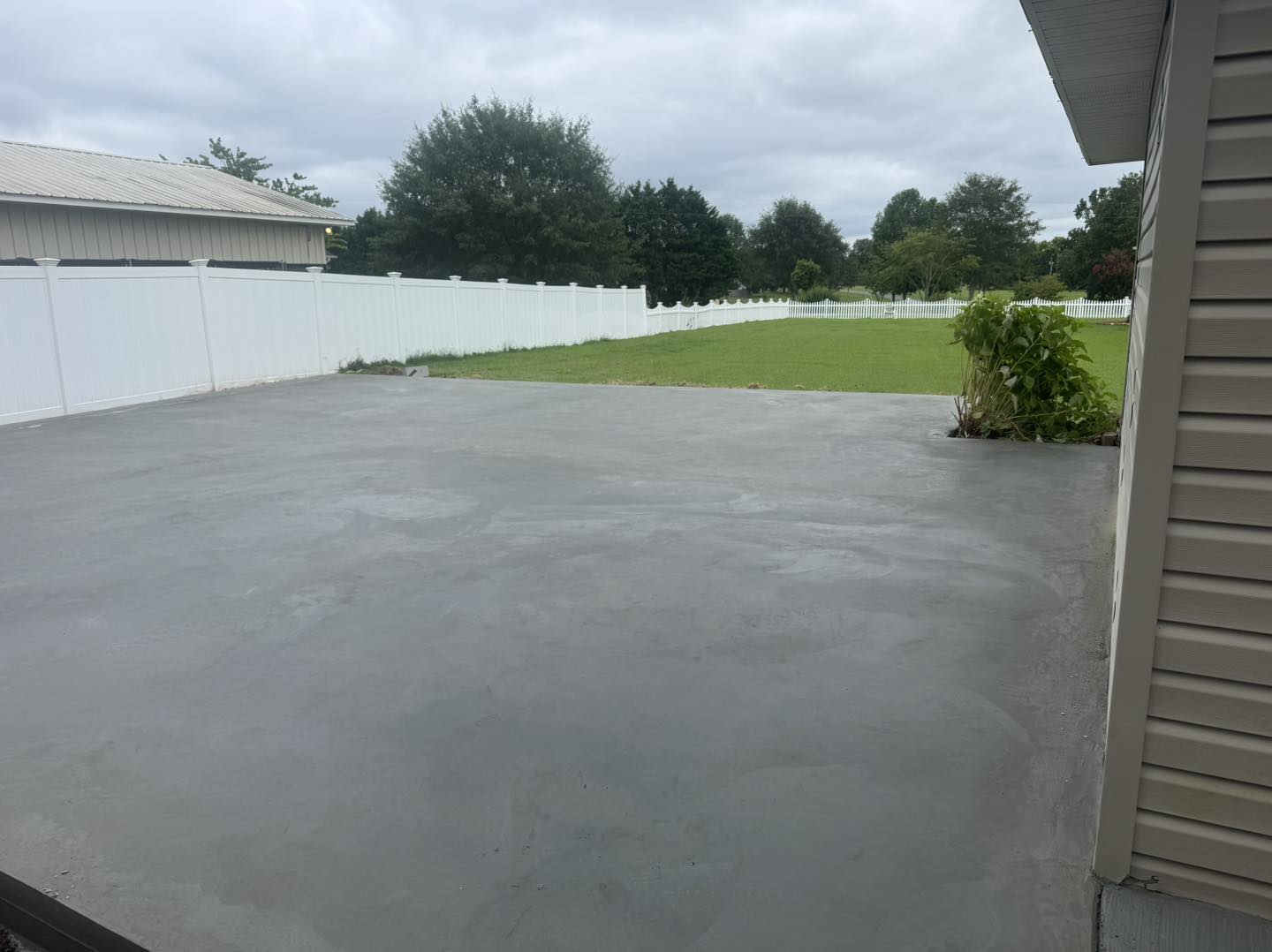
From countertops and flooring inside homes to patios and walkways outside, concrete offers a seamless integration into various design narratives. Its ability to mimic other materials through innovative finishing techniques allows it to cater to a wide array of aesthetic preferences. Polished concrete floors, for example, provide a sleek and modern look while remaining easy to maintain, making them an attractive option for both homes and commercial spaces.
Another compelling reason for concrete's popularity is its sustainability. As an environmentally responsible choice, concrete makes effective use of abundant and natural resources. It is durable, reducing the need for frequent replacements, which in turn conserves resources and minimizes waste. Furthermore, advanced developments in concrete production have introduced eco-friendly options such as the incorporation of recycled materials, further enhancing its appeal among environmentally conscious clients.
This brings us to what is often an underestimated feature of concrete—its versatility in design. Traditionally, concrete might have been perceived as a cold or stark material, but its adaptability allows it to fit beautifully into warm, inviting spaces. Through custom coloring, texturing, and formwork, concrete can take on virtually any shape or pattern. It can effortlessly complement wood, metal, or glass, making it a favorite among designers looking to strike a balance between industrial edge and homely warmth.
As interest grows around the benefits of open and flexible interiors, concrete facilitates the construction of wide-span spaces without support columns, providing limitless opportunities for tailoring interior layouts. This functionality does not compromise aesthetic appeal, as concrete can be used to craft distinctive elements like feature walls, fireplaces, and even intricate sculptures.
Concluding our discussion, it's clear that concrete's blend of function and style ensures its continued relevance and popularity within the design landscape. Tavarez Designs LLC champions this marriage of practicality and visual appeal, offering solutions that capture the essence of contemporary trends while delivering on performance.
Design enthusiasts and homeowners alike are encouraged to consider concrete's potential within their spaces, knowing it bridges aesthetic aspirations with durable reality. Whether you're renovating a small kitchen or planning a sprawling outdoor space, embrace the seamless integration of concrete to create environments that are both functional and visually captivating. By doing so, you not only invest in a future-proof design but also celebrate the understated elegance that only concrete can provide.
/filters:no_upscale()/filters:format(webp)/media/ff139a31-0d91-40a8-bd4f-d88fafe5dc66.jpeg)